Harper Peters · 26 October 2026
Sorena's Panel Discussions Reveal New Approaches to Blending Technology and Traditional Knowledge Systems
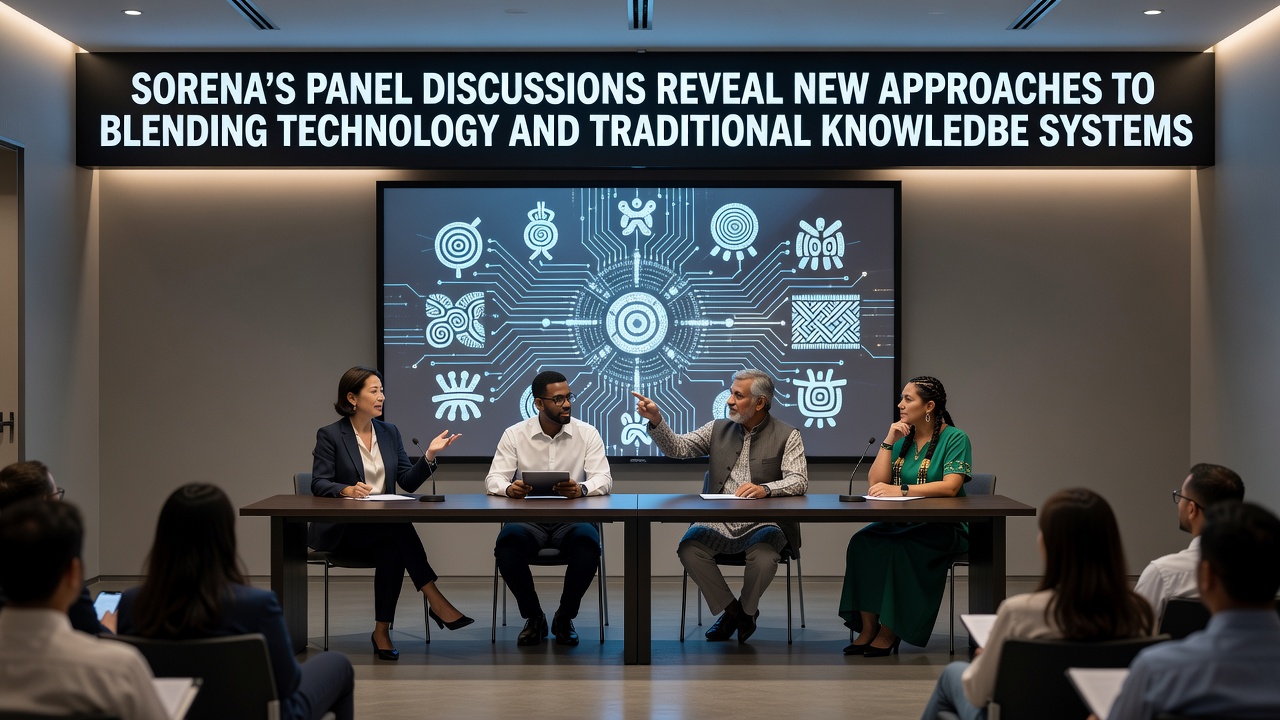
Sorena's recent panel discussions have brought together specialists from multiple fields to examine practical methods for combining digital tools with longstanding knowledge systems, and these sessions have highlighted several frameworks that communities in various regions now apply to preserve and adapt their practices. Observers note that the conversations focused on case examples where mapping software, data platforms, and sensor networks support the transmission of oral histories and ecological insights without displacing the original custodians of that information.
Core Themes Addressed in the Sessions
Participants explored how geographic information systems can record seasonal patterns that indigenous groups have tracked for generations while the same tools also generate shareable datasets for broader scientific use, and researchers from Canada presented findings on collaborative platforms that allow First Nations communities to control access levels to sensitive location data. Those presentations showed that when communities retain oversight of the digital records the accuracy of the stored knowledge improves because local experts continue to verify entries over time.
Another thread examined the role of mobile applications in language revitalization efforts, where audio recordings of elders combine with machine-learning models to produce pronunciation guides that younger speakers can access on demand. Data from pilot programs in Australia indicate that such hybrid approaches increase daily engagement with traditional languages among school-age learners compared with paper-based resources alone.
Regional Examples and Implementation Details
Panelists described work underway in southern Europe where agricultural cooperatives pair drone imagery with centuries-old irrigation schedules to optimize water distribution during drought periods, and the resulting hybrid calendars now guide planting decisions across several valleys. Similar projects in parts of Africa integrate satellite weather forecasts with local observations of animal behavior to refine early-warning systems for crop pests.
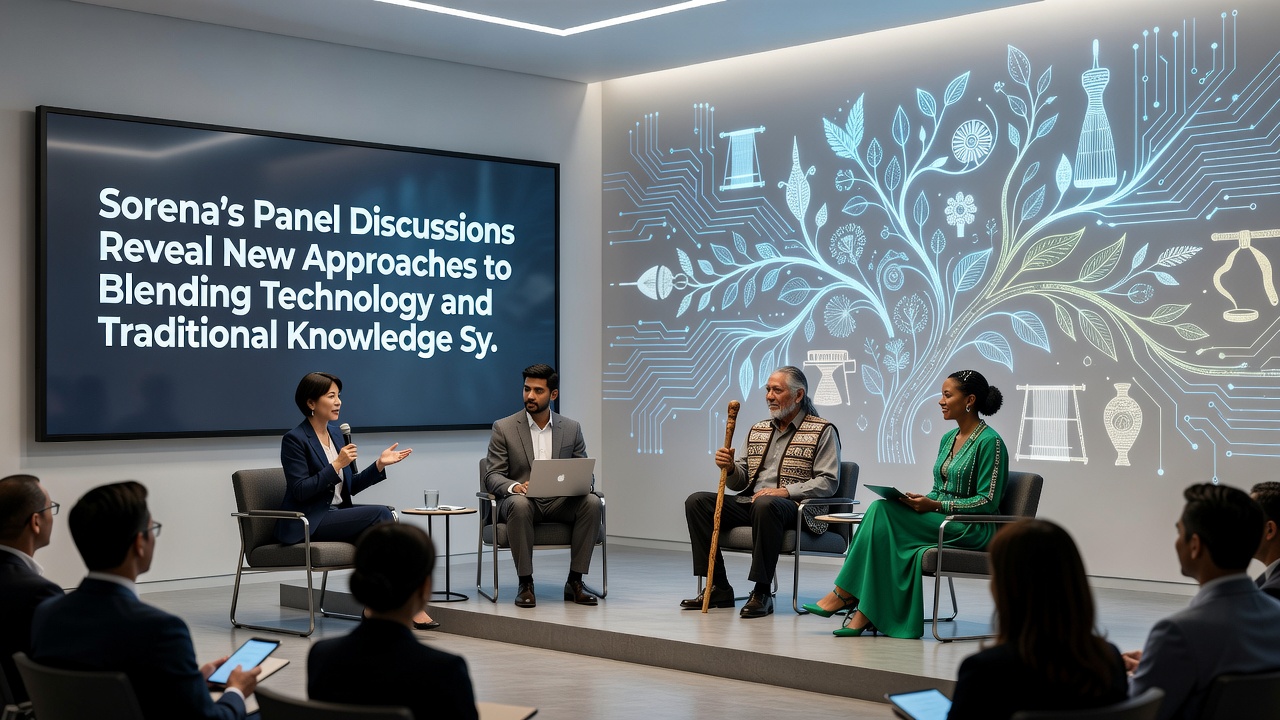
One study released by the University of British Columbia details how coastal communities adapted open-source sensor networks to monitor salmon runs while still following customary protocols for when and how the information is shared publicly. The project required iterative adjustments to both the hardware placement and the data-sharing agreements before the system gained community-wide acceptance.
Forward-Looking Plans for 2026
Discussions also touched on upcoming gatherings scheduled for October 2026 that will expand the same themes to include policy makers from additional countries, and organizers expect the meetings to produce joint guidelines on ethical data governance that draw directly from the lessons shared in earlier sessions. Those guidelines aim to address questions of intellectual property when traditional knowledge enters digital repositories and to establish review mechanisms that communities can trigger if misuse occurs.
Additional workshops planned for the same period will test training modules that teach both technical skills and cultural protocols in a single curriculum, and preliminary feedback from prototype courses suggests that participants retain more information when the technical and cultural components remain intertwined rather than separated into distinct lessons.
Conclusion
The panel series organized under Sorena's direction continues to document measurable outcomes from these blended approaches, and the records compiled so far provide a growing reference set that other groups can consult when designing their own projects. As the October 2026 events approach, the emphasis remains on refining the practical steps that allow technology to extend rather than replace established knowledge systems across different cultural contexts.