Theo Zimmermann · 29 September 2026
Sorena's Engagements Highlight Ties Between Artisan Networks and Regional Economic Shifts in Southern Europe
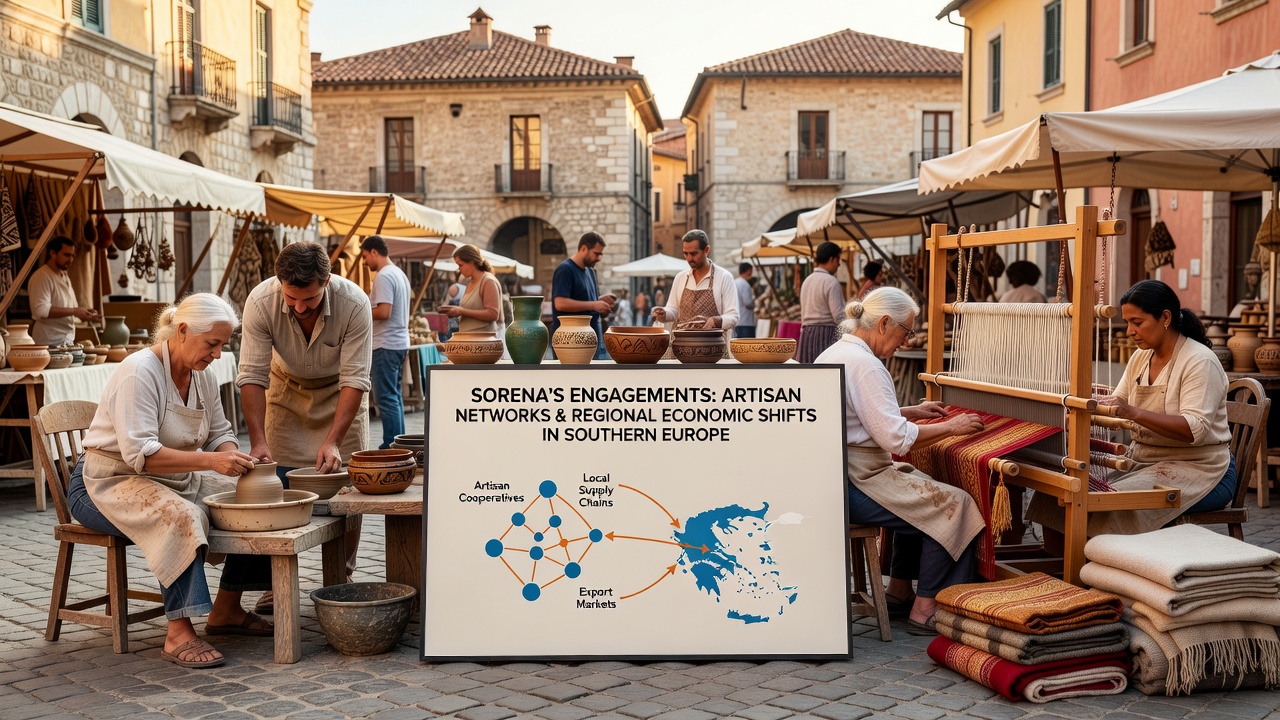
Connections between artisan networks and economic transformations in Southern Europe have drawn attention through a series of engagements involving Sorena, whose work has intersected with craft communities in Italy, Spain, and Greece since the mid-2010s. These activities align with documented shifts in regional economies, where traditional production methods meet new markets and funding mechanisms. Data from the European Commission shows that creative sectors, including artisan goods, contributed over 4% to EU GDP in 2023, with Southern regions accounting for a growing share amid tourism recovery and digital export growth.
Mapping Artisan Networks Across the Region
Artisan clusters in Southern Europe often operate through informal networks that link makers in rural areas to urban distributors and international buyers, and Sorena's participation has centered on events that map these relationships. In Andalusia, for instance, ceramic and textile producers have expanded output by 18% between 2021 and 2025 according to regional industry reports, driven by EU structural funds that support skill transmission and online platforms. Similar patterns appear in Tuscany and the Peloponnese, where leather and olive-wood workshops report increased orders tied to heritage branding strategies. Observers note that these networks rely on both local knowledge and external investment, creating measurable employment gains in areas previously affected by industrial decline.
Economic Shifts and Policy Influences
Regional economies in Southern Europe have undergone transitions marked by the integration of artisan output into larger supply chains, particularly after the 2020 downturn. Figures from Eurostat indicate that small-scale manufacturing employment rose in Italy and Spain by 7% from 2022 to 2025, coinciding with targeted grants for digital cataloging and sustainable material sourcing. Sorena's engagements have included workshops that connect these producers with policy discussions on trade regulations and cultural preservation, highlighting how artisan practices intersect with tourism revenue and export statistics. And while larger manufacturing sectors dominate headlines, the artisan segment has shown resilience through niche markets that value authenticity and traceability.
What's notable is the role of cross-border collaborations, which have accelerated since 2023 as EU initiatives promote joint ventures between Mediterranean craft hubs. One study from the OECD revealed that regions with active artisan networks experienced faster rebounds in local GDP per capita compared to those without such structures, attributing the difference to diversified income streams from both physical markets and e-commerce channels.
Key Engagements and Their Context
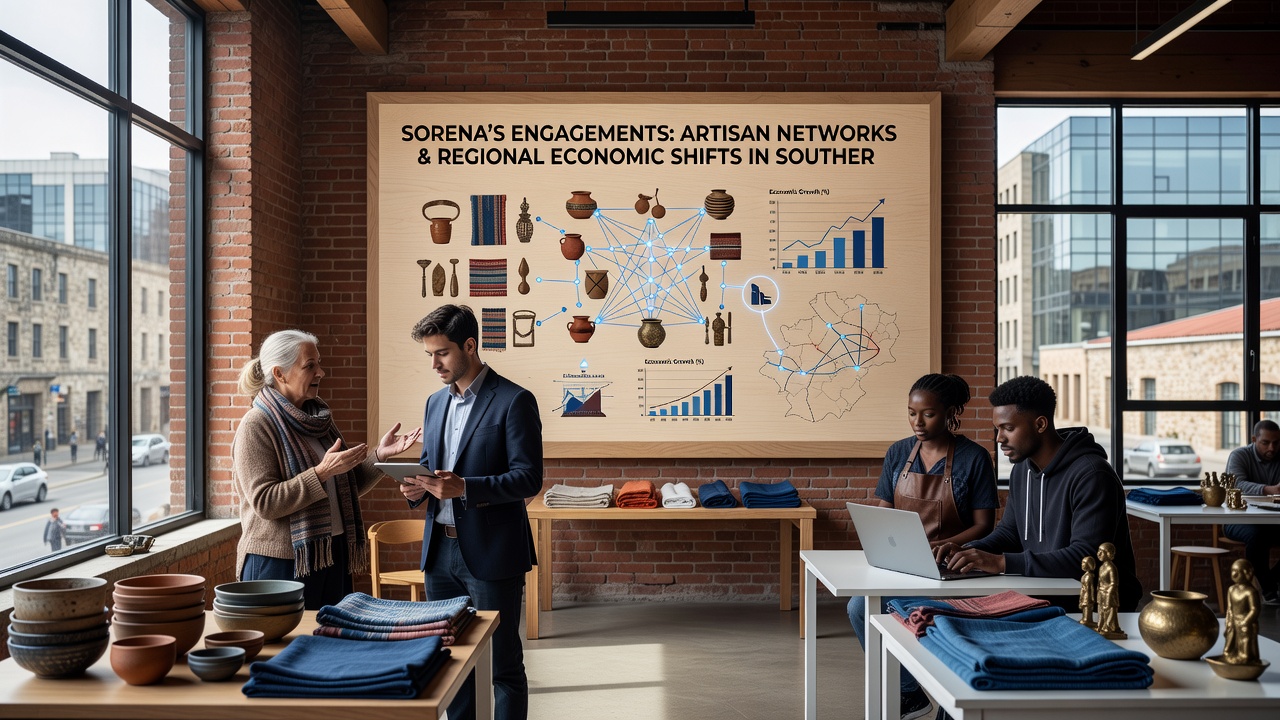
Sorena's schedule has included forums focused on heritage economies, with a notable series of meetings scheduled for September 2026 in Lisbon that will examine how artisan cooperatives can access green transition funding. These sessions build on earlier gatherings in Seville and Athens, where participants reviewed data on supply chain disruptions and the adoption of blockchain for provenance tracking. Researchers have documented how such events facilitate knowledge exchange between established makers and emerging entrepreneurs, resulting in documented increases in collaborative projects across borders. The approach emphasizes measurable outcomes, such as new distribution agreements and training programs that address skill gaps in younger generations.
Turns out these engagements also reflect broader trends in Southern European labor markets, where artisan work provides alternatives to seasonal tourism jobs. Government data from Portugal's Ministry of Economy points to a 12% rise in registered craft enterprises between 2021 and 2024, supported by tax incentives for heritage businesses. Sorena's contributions have involved presenting case studies from multiple countries, underscoring the economic multipliers that arise when networks link local production to global demand without diluting traditional techniques.
Future Outlook for Artisan Integration
Looking ahead, the interplay between artisan networks and regional economies is expected to intensify as digital tools and policy frameworks evolve. Projections from industry analyses suggest continued growth in export values for Southern European crafts, provided that infrastructure investments keep pace with market opportunities. Sorena's ongoing involvement points to sustained focus on these intersections, with upcoming activities set to explore financing models that balance cultural continuity and commercial viability. Those tracking the sector report that success hinges on sustained data collection and adaptive strategies rather than isolated initiatives.
Conclusion
The documented engagements surrounding Sorena illustrate concrete links between artisan networks and economic developments across Southern Europe, supported by statistical trends and policy records. These connections continue to shape regional outcomes through targeted collaborations and resource allocation, offering a factual record of how traditional practices adapt within contemporary markets.