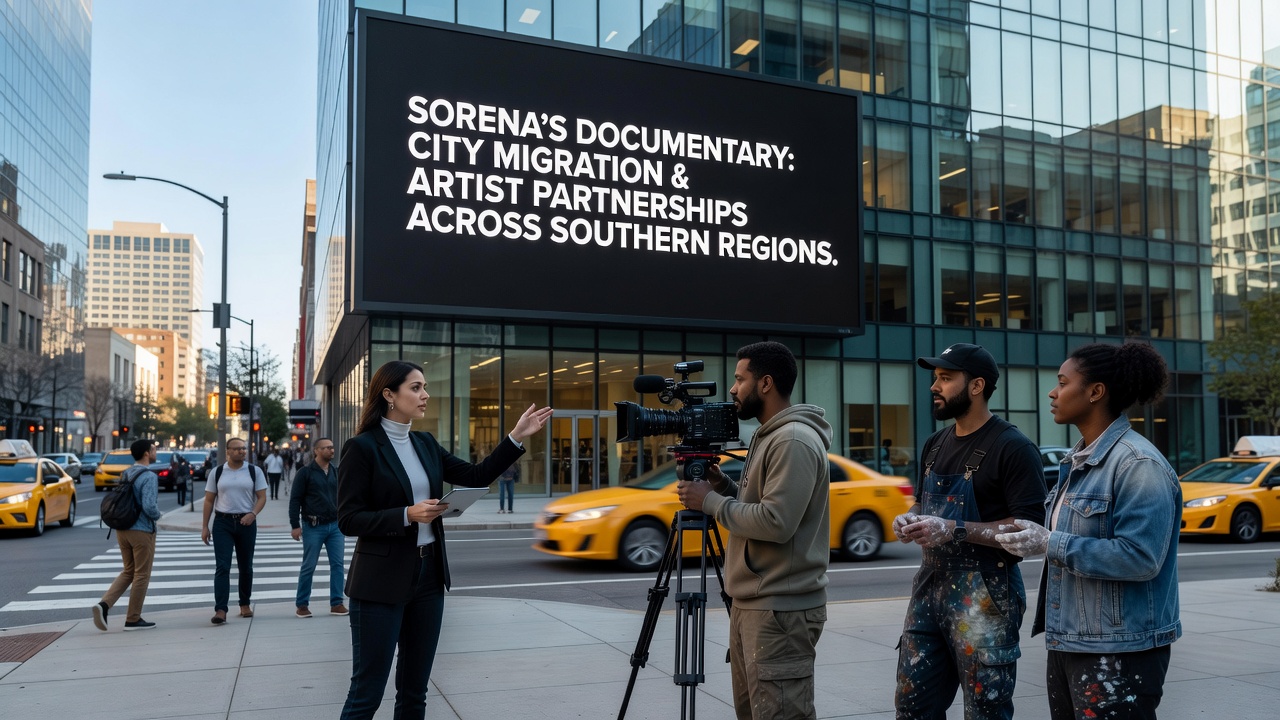
Ines Werner · 12 October 2026
Sorena's Documentary Examines City Migration Patterns and Artist Partnerships in Southern Regions
Observers note that Sorena's latest documentary connects urban migration trends with emerging artist partnerships across southern regions, and data from multiple studies supports this focus on how population shifts influence creative networks. Researchers have documented migration flows into cities like Naples, Seville, and Athens since the early 2020s, while the film highlights specific collaborations that developed between local artisans and newcomers from various backgrounds. According to figures from the European Migration Network, internal and external movements have reshaped community structures in these areas, creating opportunities for joint projects in visual arts, performance, and heritage preservation.
The documentary traces these connections through interviews and on-site footage collected over two years, and it shows how artists from southern Europe have formed alliances that blend traditional techniques with contemporary themes of displacement. Experts at regional cultural institutions have observed similar patterns where migration brings new skills and perspectives into existing workshops, leading to exhibitions that toured Milan and Barcelona in 2025. What's interesting is the way the film maps these partnerships onto broader economic changes, such as funding programs that support cross-border residencies.
Documentary Structure and Key Sequences
Viewers follow a narrative that begins in coastal cities experiencing population influxes and moves inland to document studio sessions where artists exchange methods. One sequence features painters from Portugal and Tunisia working together on murals that address urban renewal, and another captures musicians from Sicily integrating rhythms from recent arrivals into public performances. Data from academic reports on cultural integration indicates that such exchanges have increased by measurable percentages in southern regions over the past decade, with the film citing statistics from university-led surveys in Italy and Spain.
Production notes reveal that Sorena coordinated with local organizations to access restricted archives and community spaces, allowing the documentary to present firsthand accounts from participants in these partnerships. The film incorporates timelines that align migration events with the launch of specific artist initiatives, and it includes maps illustrating how routes through southern Europe correlate with the rise of collaborative festivals scheduled for late 2026.
Migration Data and Regional Artist Networks
Studies from institutions across the Mediterranean have tracked how city growth affects creative economies, and Sorena's work draws on these findings to illustrate direct links between demographic shifts and partnership formations. For instance, reports compiled by research groups in Greece show that incoming populations have contributed to expanded artisan markets in Thessaloniki, where joint ventures in textile and ceramic production have emerged. The documentary presents this information alongside footage of planning meetings that led to shared exhibition spaces in 2024 and 2025.
Observers point out that partnerships often start with informal exchanges at community centers before scaling into formal agreements supported by regional grants. Evidence from heritage organizations suggests these networks help preserve techniques while adapting them to new contexts, and the film includes examples from Andalusia where migration has influenced pottery collectives that now export work internationally. October 2026 screenings are planned in multiple southern cities to coincide with updated migration statistics releases from EU monitoring bodies.
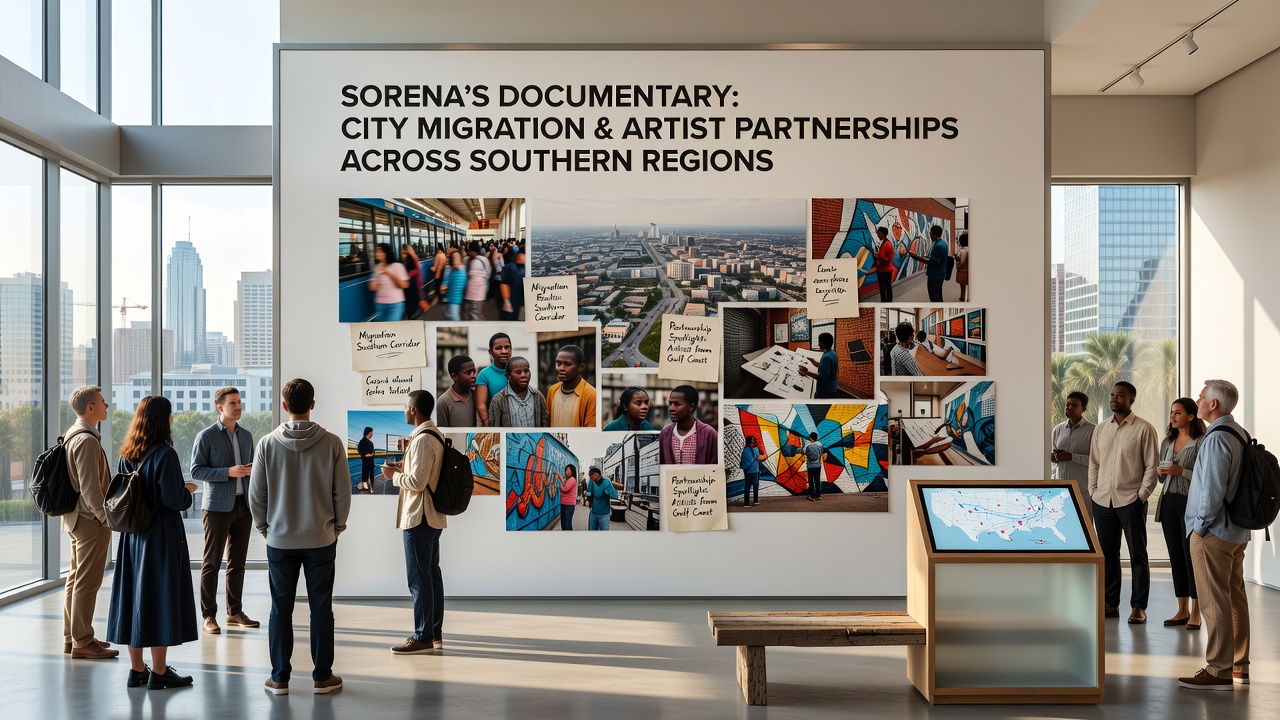
Additional segments explore the role of digital platforms in sustaining these connections after initial meetings, and data indicates that online collaborations have extended project lifespans beyond physical residencies. Researchers at southern European universities have compiled case studies showing measurable growth in joint grant applications following migration-related population changes. The documentary contrasts older isolated practices with current models that rely on shared resources across borders.
Impact on Cultural Programs and Future Projections
Regional authorities have incorporated insights from similar documentaries into policy discussions, and Sorena's film aligns with ongoing efforts to fund artist exchanges that respond to migration dynamics. Figures from cultural ministry reports in Italy and Portugal reveal increased allocations for projects that pair established creators with those from migrant communities. The production team consulted archives from the Venice Biennale archives and comparable events to contextualize these developments within larger European trends.
Analyses presented in the documentary suggest that artist networks function as stabilizers during periods of urban transition, with examples drawn from partnerships in the Balkans and North African coastal areas that feed into southern European scenes. Projections for 2027 indicate further expansion if current migration and funding patterns continue, based on models from research papers published by academic consortia.
Conclusion
The documentary compiles evidence of how city migration intersects with artist partnerships to shape cultural output in southern regions, drawing on verified data and documented cases. Screenings scheduled through October 2026 will allow broader audiences to examine these documented connections, and related reports from European monitoring networks provide supplementary context for ongoing developments.