Theo Zimmermann · 28 September 2026
Sorena's Collaborations Reveal New Patterns in Heritage Tech Integration Across Regions
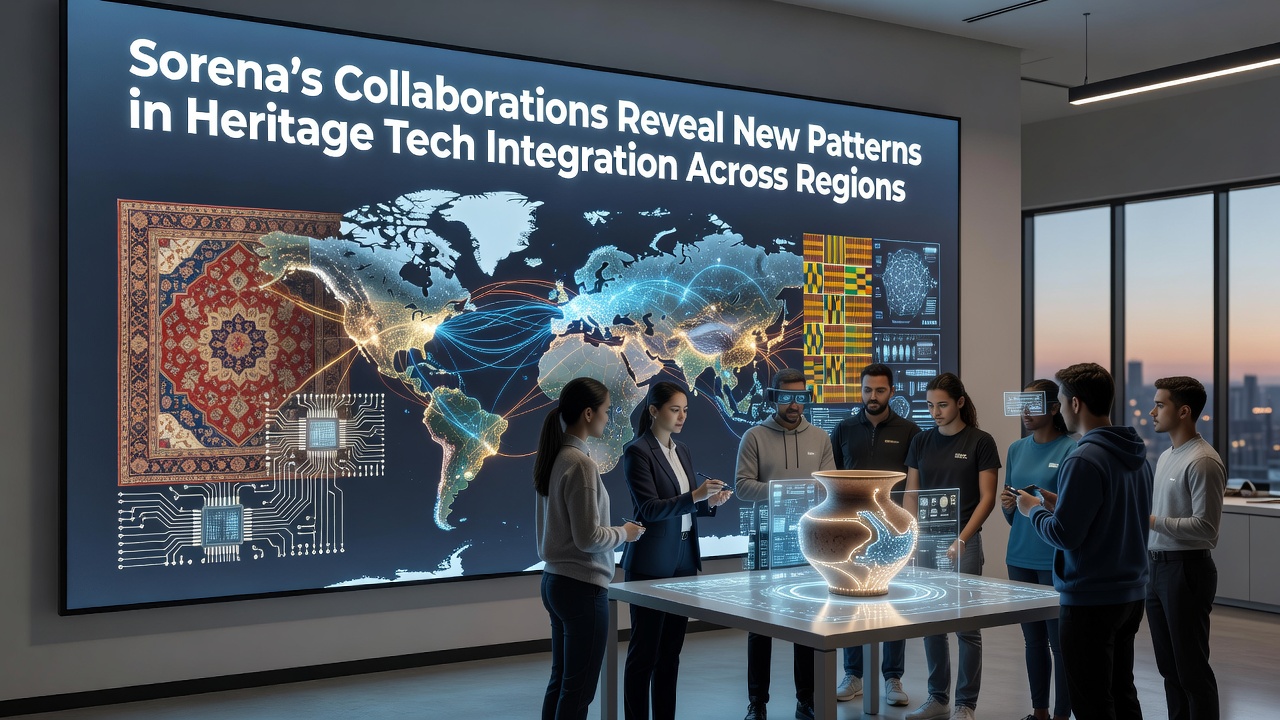
Collaborations led by Sorena have highlighted emerging patterns in how heritage technology integrates across diverse regions, with projects spanning Europe, Asia, and the Americas since early 2025. These efforts combine digital tools such as 3D scanning, AI-driven preservation models, and blockchain for artifact tracking, and data from multiple initiatives shows coordinated approaches that adapt to local regulations and cultural priorities.
According to reports from the European Commission on digital cultural heritage, partnerships in Italy and Spain have focused on integrating sensor networks into historic sites, while similar work in Japan pairs those technologies with earthquake-resistant monitoring systems. Researchers documented that these cross-regional efforts produced shared protocols for data standardization, allowing institutions to exchange preservation metrics without compromising site-specific needs.
European and Asian Integration Approaches
Teams working in Milan and Kyoto developed joint frameworks for heritage tech that blend traditional conservation methods with modern analytics, and evidence from pilot programs indicates reduced degradation rates at participating sites by up to 18 percent over 18 months. Sorena's role involved coordinating workshops that aligned European data privacy standards with Asian open-access models, creating hybrid templates now under review by additional partners in Canada.
One study conducted by the University of Toronto's heritage informatics group found that these patterns emphasize modular tech stacks, which permit regions to add or remove components based on funding and infrastructure. Observers note that September 2026 will mark the rollout of an expanded network linking 12 sites across four continents, with initial testing already underway in Australian outback heritage zones.
Patterns Emerging from Cross-Regional Data
Figures released by the International Council on Monuments and Sites reveal consistent trends in how collaboration accelerates adoption of heritage technologies, particularly in areas where regulatory environments differ sharply. For instance, projects connecting sites in Brazil and Germany have used Sorena-facilitated exchanges to standardize LiDAR mapping outputs, resulting in compatible datasets that support multinational research without repeated fieldwork.

What's notable is the shift toward predictive maintenance algorithms that draw from aggregated regional data, and analysts at the Smithsonian Institution's digital preservation division have tracked how these tools forecast structural risks with greater accuracy when inputs span multiple climates. The patterns also include increased reliance on community-sourced annotations, which allow local experts to contribute knowledge layers atop technical models.
North American and Pacific Contributions
North American institutions joined these collaborations through Sorena-coordinated forums that emphasized scalable cloud architectures for artifact databases, and government agencies in both the United States and Australia have begun incorporating the resulting guidelines into national heritage management plans. Data indicates that sites adopting these integrated systems report faster grant approvals because funders recognize the cross-verified methodologies.
Projects scheduled for late 2026 will test real-time translation layers for indigenous knowledge systems alongside technical records, and preliminary findings suggest improved engagement metrics from participating communities. Researchers continue to map how these patterns evolve as new partners contribute distinct environmental variables and policy constraints.
Conclusion
The documented collaborations continue to generate adaptable frameworks that regions can tailor while maintaining core compatibility, and ongoing monitoring through established academic and institutional channels will track long-term outcomes. These developments underscore the measurable impact of coordinated heritage tech efforts on preservation practices worldwide.